From Trash to Treasure: Uncover the Hidden Value in Electronics Recycling
Electronics recycling is an critical procedure that converts discarded devices into valuable resources. It addresses the growing problem of e-waste while recovering precious materials. This approach not only safeguards the environment but also stimulates local economies. As communities seek sustainable solutions, the concealed value in old electronics becomes increasingly apparent. What lies beneath the surface of these unwanted items, and how can they be converted into opportunities for an improved future?
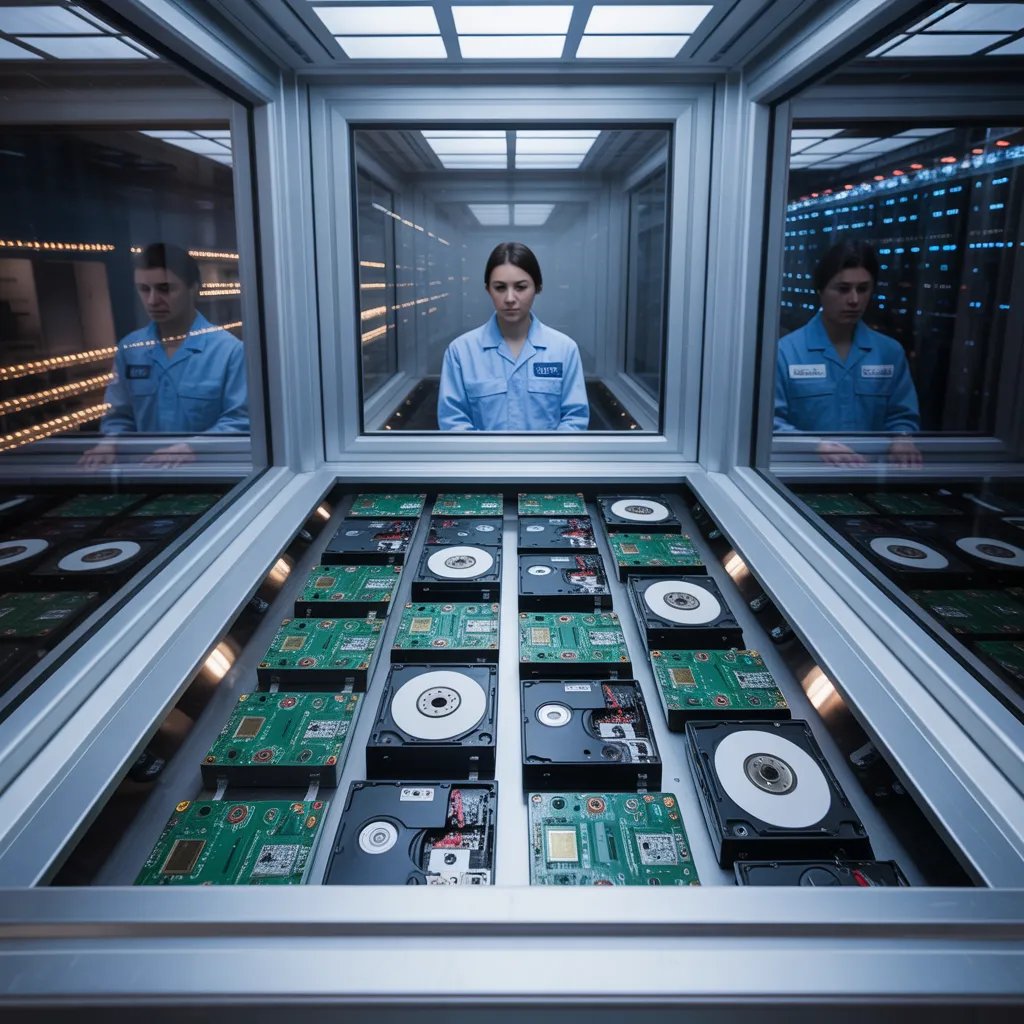
The Environmental Impact of E-Waste
As electronic waste keeps growing globally, its environmental impact becomes more evident. Discarded electronics often contain dangerous substances like lead, mercury, and cadmium, which can leach into soil and water systems, creating significant risks to ecosystems and human health. The improper disposal of e-waste contributes to pollution, affecting air quality and contaminating local water supplies. Furthermore, the incineration of electronic waste releases toxic emissions, further exacerbating ecological decline.
Landfills filled to capacity with e-waste create long-term ecological problems, as these materials can take centuries to decompose. The increasing amount of e-waste not only endangers biodiversity but also strains natural resources as more mining is needed for new materials. Proper waste recycling methods can mitigate these effects, allowing for safer disposal and resource recovery. As awareness of these impacts increases, the need for proper electronic waste handling becomes essential for a sustainable future.
What Precious Materials Can Be Found in Your Old Electronics?
Vintage electronics possess a cache of valuable materials, often undervalued by end users. Such items as smartphones, laptops, and televisions retain coveted metals like gold, silver, and palladium, which are fundamental for circuit boards and connectors. Moreover, copper wiring, observed in many devices, delivers high recycling value due to its conductive ability and prevalence in various industries.
Rare earth elements, such as neodymium and dysprosium, are essential for strong magnetic components in speakers and hard drives, contributing to their high market worth. In addition, batteries in electronic devices often contain lithium, cobalt, and nickel—materials essential for energy storage and electric vehicle production.
How Electronics Reprocessing Functions
Electronics disposal requires a systematic method to managing unwanted devices. The procedure begins with the gathering and delivery of used electronics, followed by disassembly and separating to separate parts. Ultimately, valuable materials are recovered for reuse, adding to material conservation and environmental safeguarding.
Collection and Conveyance Process
The collection and transportation process of electronics recycling begins with public involvement and educational initiatives that promote consumers to properly dispose of their old equipment. Local governments, non-profits, and recycling organizations often collaborate to set up collection explanation points, such as specific deposit areas or scheduled collection events. These initiatives seek to make recycling accessible and convenient for the public.
Once sourced, the electronics are reliably delivered to certified recycling facilities, establishing that they are operated with safety to minimize environmental impact. Efficient logistics are fundamental, as they help maximize the flow of materials while decreasing carbon footprints. Proper documentation accompanies the transported items to track their route, upholding accountability throughout the recycling process.
Dismantling and Sorting Methods
When devices reach recycling facilities, collected materials undergo a meticulous dismantling process. Skilled technicians carefully disassemble electronics, isolating components such as circuit boards, batteries, and plastics. This process often involves the use of specialized tools to assure safety and efficiency. Each component is examined and sorted based on material type and potential for second use or recycling.
Manual disassembly is complemented by automated machinery, which assists in sorting larger volumes of devices. As the components are classified, harmful materials, such as lead or mercury, are isolated for secure removal. This systematic approach ensures that valuable materials are maintained while minimizing environmental hazards, laying the groundwork for the next stage of the recycling process.
Retrieval of Valuable Substances
Recovering precious resources from disassembled devices involves a collection of exact procedures created to maximize resource extraction. After sorting, components are subjected to physical and chemical processes that divide metals, plastics, and glass. Techniques such as grinding and fragmentation decompose materials into smaller pieces, enabling the removal of valuable metals like gold, silver, and copper. Advanced methods, including hydrometallurgy and pyrometallurgy, are utilized to extract these metals from their ores. Additionally, uncommon earth materials, vital to modern technology, are also recovered. By improving these extraction methods, waste management centers can greatly reduce waste and provide vital materials back into the production process. This not only conserves natural resources but also encourages a green economic model.
Why Reprocessing Tech Equipment Helps Your Nearby Neighborhood
Handling electronic waste provides significant advantages for local communities. It can strengthen economic growth by fostering new industry prospects and promoting career opportunities in the recycling sector. Additionally, superior environmental health takes place through reducing e-waste, benefiting both residents and local ecosystems.
Financial Progress Openings
Turning electronic waste into valuable resources creates significant economic growth for local communities. Through establishing recycling programs, regions can generate work opportunities in gathering, handling, and marketing of salvaged products. These efforts not only decrease unemployment rates but also support workforce training in the labor market. Local enterprises can succeed as they benefit from the appetite for recycled materials, which are rapidly gaining demand in manufacturing sectors. In addition, as communities take on e-waste management, they can bring in capital from green technology firms, boosting market diversity. The heightened involvement in recycling initiatives can energize local economies, prompting residents to participate fully, thereby building a commitment to green practices while driving growth and innovation.
Environmental Health Progress
Electronics recycling greatly enhances environmental health within local communities. By properly disposing of electronic waste, harmful substances such as lead, mercury, and cadmium are prevented from polluting soil and water sources. This reduces the risk of toxic exposure for residents, encouraging overall community well-being. Additionally, recycling programs can limit landfill overflow, conserving precious land and reducing greenhouse gas emissions associated with waste decomposition. Effective recycling initiatives encourage community engagement, building awareness of environmental issues and promoting sustainable practices. As communities adopt these programs, they experience cleaner surroundings and improved public health, ultimately leading to a more healthy environment. The cumulative effects of these practices significantly contribute to the long-term sustainability and resilience of local ecosystems.
Job Formation Capacity
Harnessing the capabilities of electronics recycling can substantially boost local economies by creating job opportunities across various sectors. As communities engage in recycling programs, a range of positions arise, from collection and transportation to sorting and processing electronic waste. Local businesses benefit as demand for recycling services increases, promoting entrepreneurship and innovation. Additionally, specialized training programs can equip workers with valuable skills, improving employability in a growing green economy. Moreover, the establishment of recycling facilities can lead to permanent jobs, providing long-term employment stability. By investing in electronics recycling, communities not only reduce waste but also drive economic growth, ultimately enhancing the overall quality of life for residents while promoting sustainability.
Where Can You Locate Responsible Recycling Programs?
How can people and companies confirm their old electronics are recycled ethically? One practical strategy is to locate approved e-waste disposal programs. Groups such as the e-Stewards and R2 (Responsible Recycling) credential assure that recyclers adhere to demanding environmental and ethical standards. Many municipalities also supply designated collection locations for electronic waste, often providing free or low-cost processing services.
Moreover, major retailers such as Best Buy and Staples have developed take-back programs, allowing consumers the option to return unwanted electronics safely. Nonprofit organizations and local charities can also receive functional devices, promoting reuse instead of recycling.
In conclusion, online platforms can unite users with responsible recyclers, ensuring correct disposal. By employing these resources, both persons and businesses can further a sustainable future while limiting the environmental impact of unwanted electronics.
Clever Recommendations to Revitalize Your Aging Electronics
Repurposing old electronics presents a inventive way to cut down on waste while giving fresh purpose dormant devices. Many folks have found creative uses for older gadgets. For example, old smartphones can be adapted into dedicated audio devices or residential surveillance cameras, offering features without the need for new purchases. In the same way, outdated laptops can work as media hubs or digital image displays, highlighting cherished memories.
Another option involves employing components from defective devices. PCBs can be crafted into unique wall art, while old speakers can be repurposed into stylish Bluetooth speakers. Additionally, LED screens from defunct monitors can be used as backlit displays for custom projects.
These creative strategies not only lessen environmental harm but also cultivate a sense of accomplishment. By embracing unconventional thinking, individuals can discover useful applications for their outdated electronics, transforming discarded items into beneficial resources.
Frequently Asked Questions
Can I dispose of Electronics That Are broken or Non-Functional?
Yes, broken or defective electronics can often be recycled. Numerous facilities accept these items, ensuring that valuable materials are retrieved and harmful substances are safely eliminated, promoting ecological stewardship and sustainable resource management.
Where Does My Data Go During the Recovery Operation?
In the material recovery process, data is typically destroyed through methods like pulverization or magnetic neutralization. Recyclers certify that classified data is permanently inaccessible, protecting customers from probable identity theft or data breaches associated with thrown away electronic items.
Do Fees Apply To Recycling Electronics?
Yes, there can be fees involved in recycling electronics, based on the facility and the form of device. Some groups may charge for given items, while others offer free disposal services to promote ethical disposal.
How Do I Correctly Arrange My Electronics Securely for Recycling?
To safely prepare electronic items for waste management, one should remove private details, remove all connectors, and seal devices securely. Additionally, communicating with local recycling centers for specific preparation guidelines is advisable to assure proper handling.
Which Certifications Need to I Find in Waste Recycling Programs?
When inspecting recycling programs, one should hunt for qualifications such as R2, e-Stewards, and ISO 14001. These ensure respect for environmental standards, accountable management, and appropriate treatment of electronic waste for environmental responsibility and operational safety.